Wildlife Sightings in Satpura National Park – October 2026
- Naman Doshi, Naturalist, Reni Pani Jungle Lodge, Jehan Numa Wilderness
The following blog talks about Satpura’s iconic 6 species of mammals and their sightings during excursions in the park in the month of October 2026: Tiger, Sloth Bear, Leopard, Indian Giant Squirrel, Gaur, and Dhole. There are a few assumptions and predictions made to help readers better understand what to expect if they are visiting Satpura in 2026–27. Being just 1 month, the data is not enough to have a general idea of individual animals’ movements, but nevertheless, it seems we are in for a very exciting season in terms of sightings of all iconic species.
In October 2026, 7 individual adult tigers were observed across 3 safari zones. Individual tiger sightings in the respective areas for October 2026 and their territory range estimates are as follows:
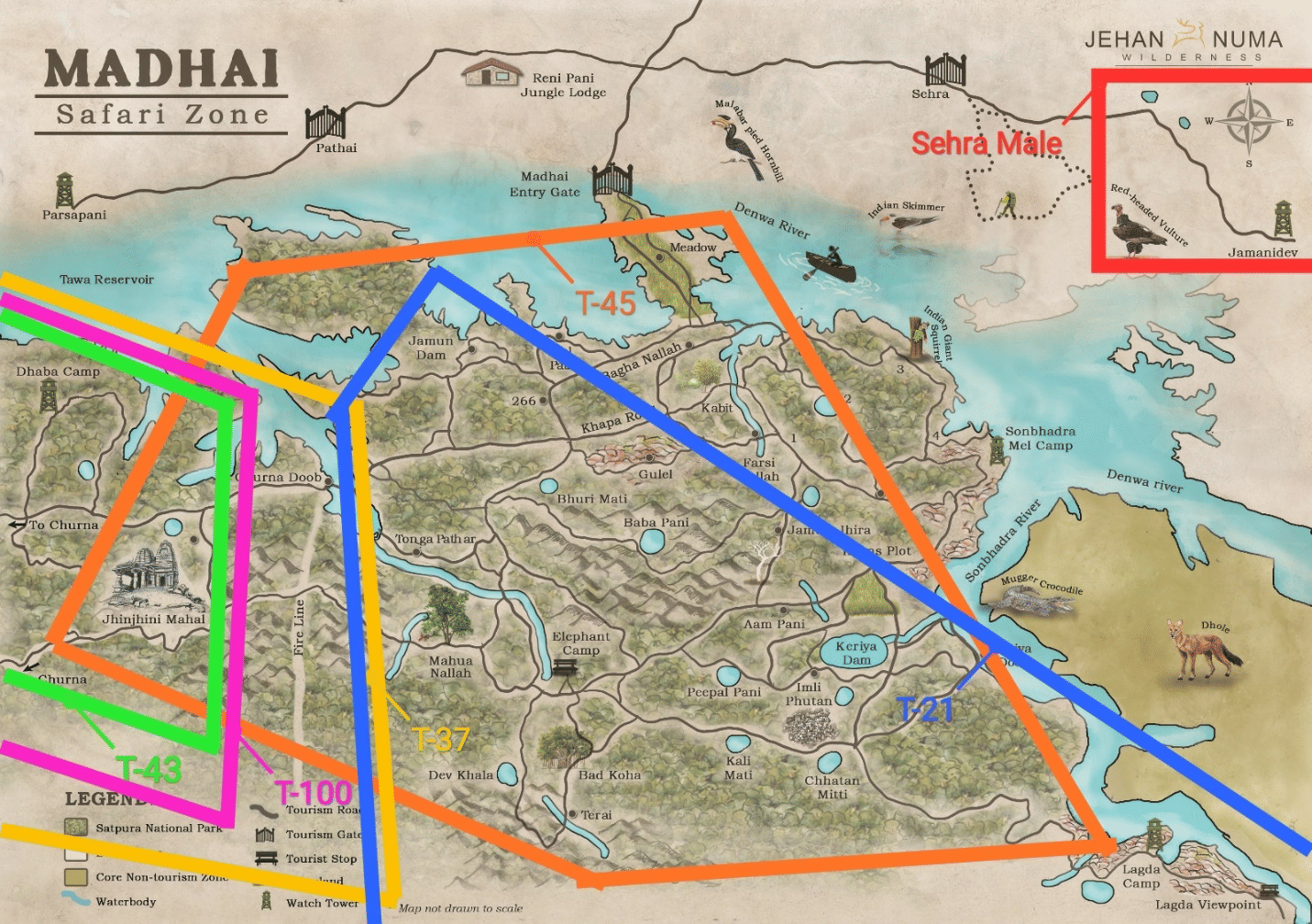
1. T-45 – Bachhi Female: This year we had a very late monsoon in Satpura, which resulted in drier riverbeds between the Madhai core and Jamanidev buffer zone. This allowed tigers to move between zones easily without swimming long stretches and provided easy availability of prey found grazing in the grassy, dried-up riverbeds. T-45 was seen quite a few times in the Jamanidev buffer zone, along with T-62 male, between May and September 2026. Post-monsoon, in October, T-45 was seen quite a few times with T-21 Male. We also hope that she has successfully mated again and may give birth to cubs by February 2027, as the gestation period is roughly 90 days. She remains the most frequently seen tiger in the Madhai zone in October, across almost the entire zone as her sub-territory.
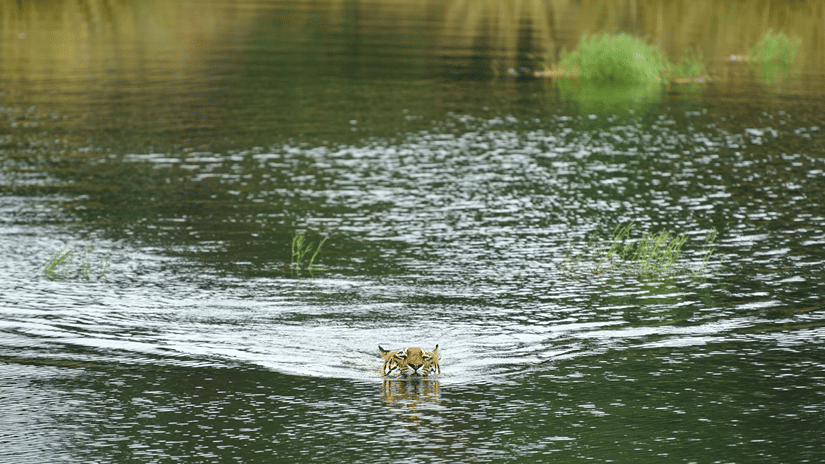
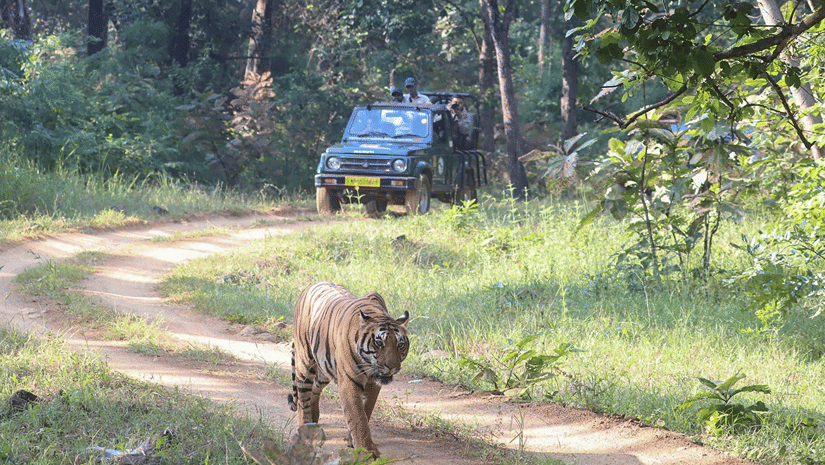
2. T-21 – Lagda Male: As a tiger from a non-tourism zone who is still not used to the presence of safari vehicles, T-21's sightings have been very few, and often just glimpses.
3. T-43 – Fireline Female: T-43 with her 4 cubs was seen between Jaharghat and the Suariya camp, areas which are not accessible during regular Madhai jeep safaris. However, a few guests who had booked a zone-free, full-day photo permit managed to find all 4 cubs, healthy and doing well, between these two camps. T-43 was seen a few times close to the Dhaba Camp junction, up to the Jhinjhini Mahal temple. It is possible that the female may be scouting the area’s safety to bring her cubs to this side of the park, like her previous 2 litters. It is very likely that at least one, if not all 4 cubs, will be regularly seen in the Madhai zone as they grow older and start establishing their own territories over the next few months.
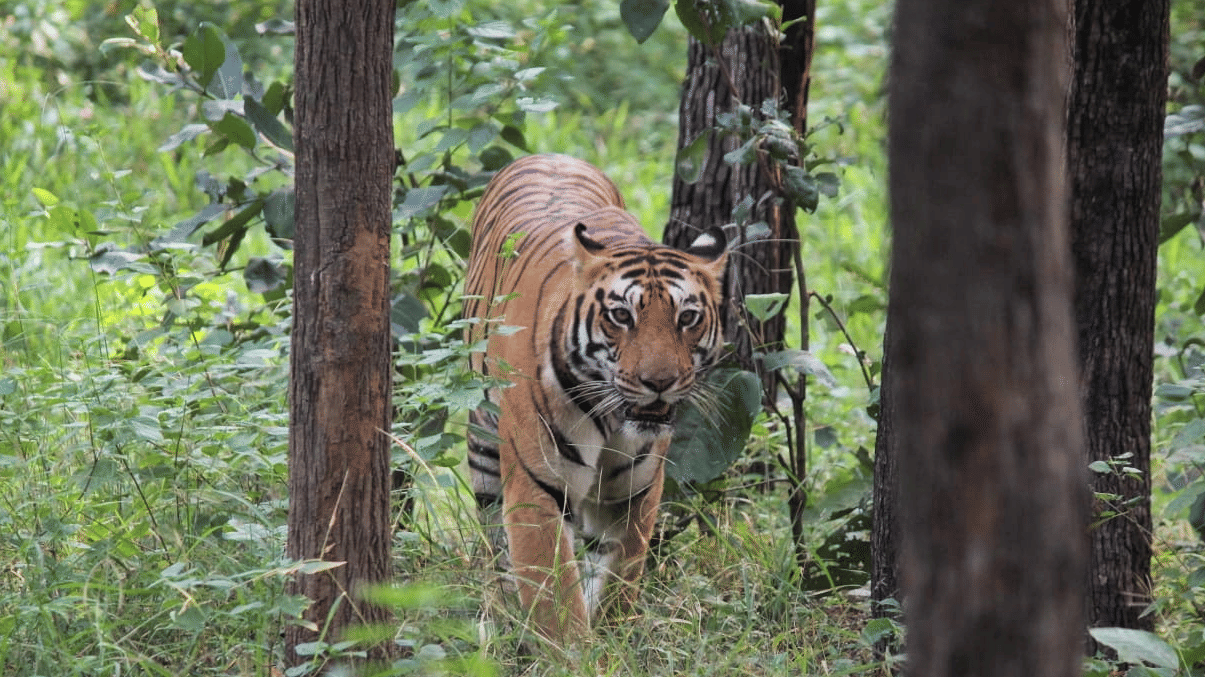
4. T-100 – Agni Female: This tigress from the second litter of T-43 has been seen at the Jhinjhini Mahal route, mostly solitary. Her frequent presence in that particular area suggests that she has established her territory well and is potentially looking for a mate.
5. T-37 – Shankara Male: After a very intense fight with the T-21 male the previous year left him badly injured, T-37 has restricted his movement from Jaharghat up to Mahua Nala and the Jhinjhini Mahal Round. This is a shift compared to earlier seasons where his presence was recorded throughout the Madhai zone. However, he has healed well.
6. T-62 – Sehra Male: Due to limited rains and less erosion of roads, accessibility to the backwaters in the Jamanidev zone is better for the winter months, resulting in better chances of tracking and sighting a dominant male tiger. It is possible that, like the previous season, the T-62 Male will swim to the core zone—especially towards the No. 3 route—in order to expand his territory, as currently not many adult male tigers frequent that side of the zone.
7. One unknown male tiger has been occasionally seen in the Parsapani buffer zone as well.
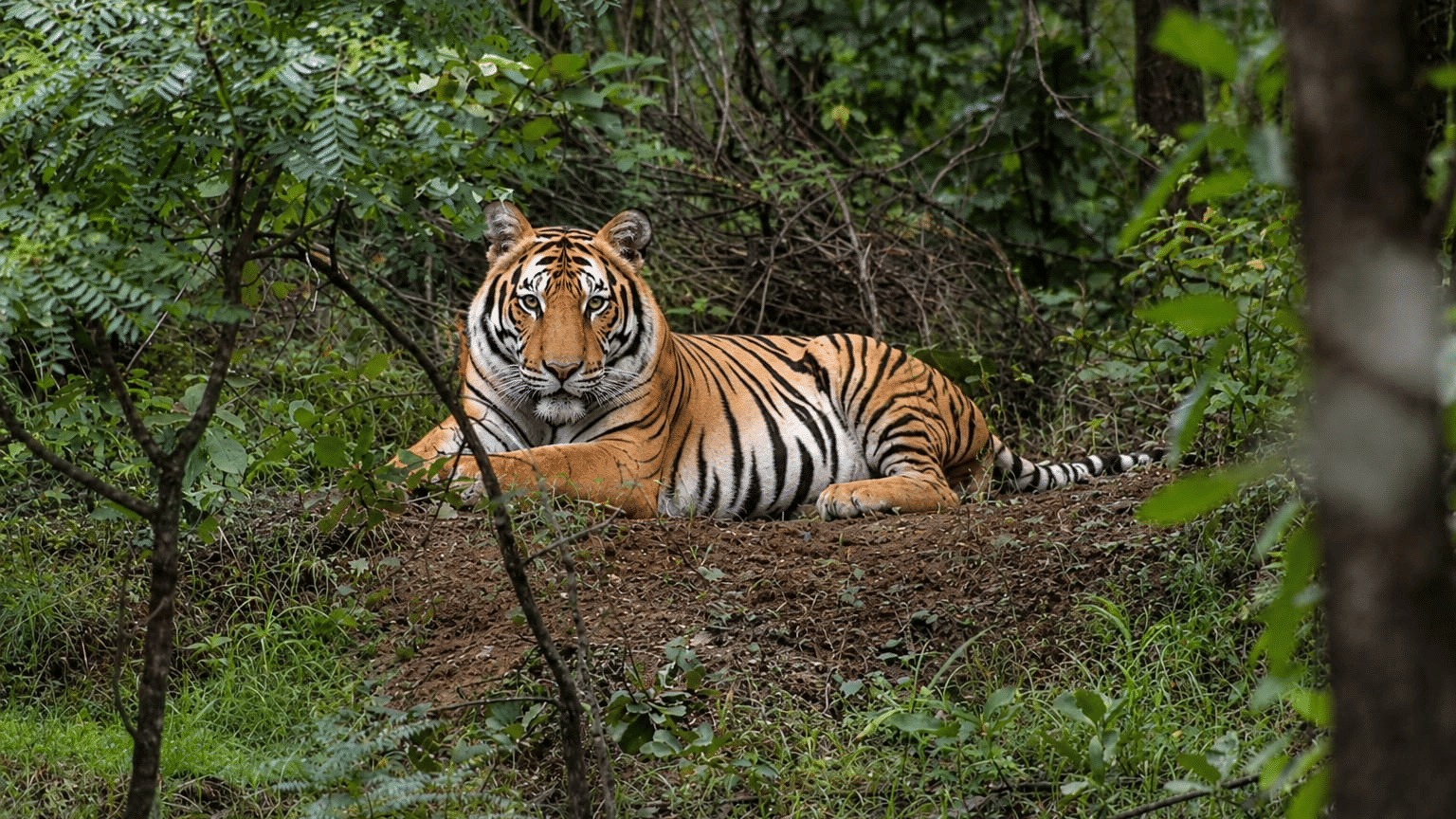
(Note: We do not encourage naming tigers. However, for the benefit of guests who have travelled to Satpura in previous years, the names correspond to the tracking codes above).
It is difficult to distinguish individual bears, as almost all of them look like moving, big black rocks. However, sightings have been fantastic in October 2026. With the help of good close-up pictures of scars on snouts, we know we have seen at least 3 different adult Sloth Bears in Madhai. Especially this year, the park management has done really good work in uprooting the invasive Lantana bushes, and hence the visibility and spotting of Sloth Bears has become comparatively better in the Madhai Core Zone.
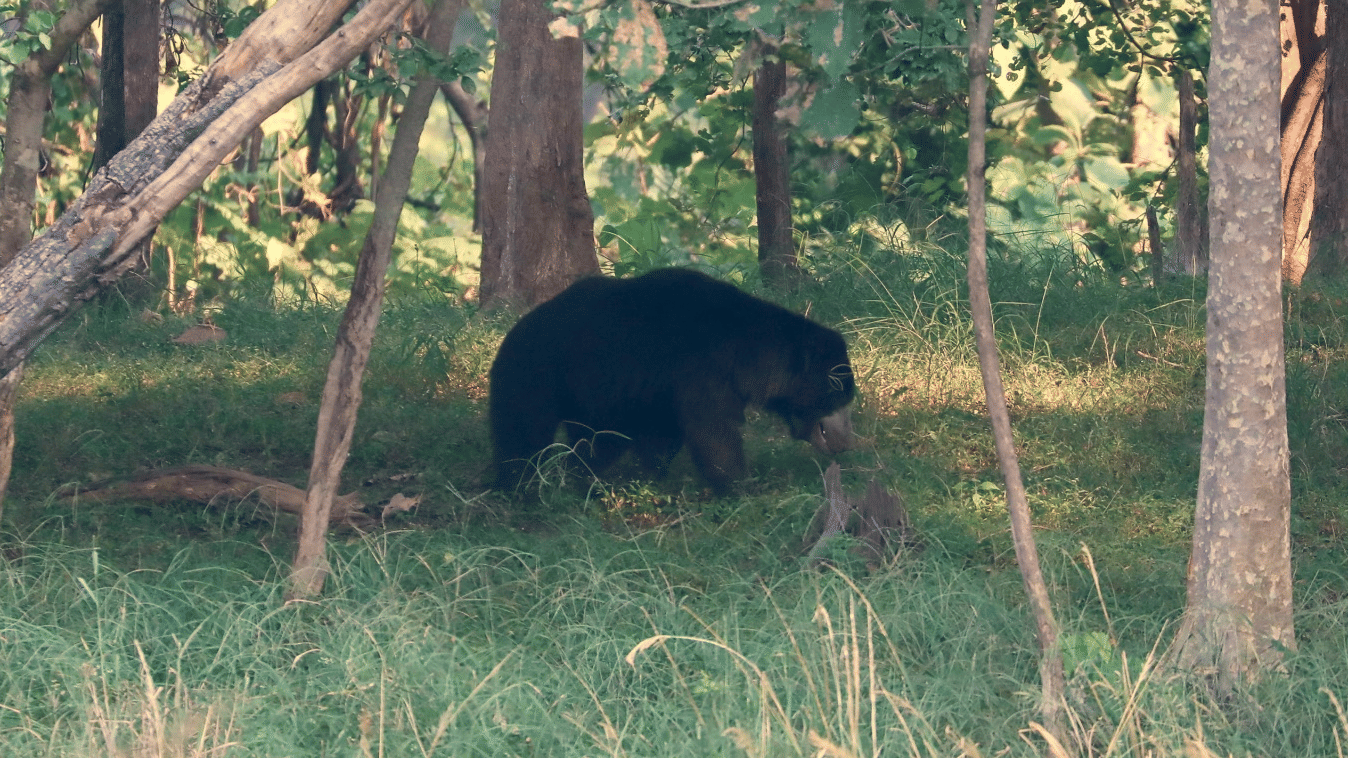
Like the previous year, sightings have been regular in the Meadows, Sel Pata, Bhuridod, Khapa Road, Gulel, Kabit, No. 1 route, and the Kaans plot, with an occasional sighting of a different bear towards the Mahua Nala and Jhinjhini Mahal route. It is likely these are the same grown-up Sloth Bear siblings—now separated—who were seen with their mother the previous year, as they are foraging more or less in the same circular routes and areas.
One female with 2 sub-adult cubs has been frequently sighted en route to and close to the Pathai entry gate in the Parsapani Buffer Zone. In the Jamanidev Buffer zone, another female with 2 cubs and a male has also been regularly sighted.
One adult male, and one female with 2 sub-adult cubs, were seen on multiple occasions in the Madhai Core Zone. These are the same grown-up cubs from last year, seen mostly in Sel Pata, Khapa Road, and Gulel. It’s astonishing how bold these young leopards have become around safari vehicles. There were a few days in the last week of October where these leopards were seen throughout the day by all jeeps at the same location. Incidental sightings of a different adult male leopard at the Fireline and once at Lagda were also recorded.
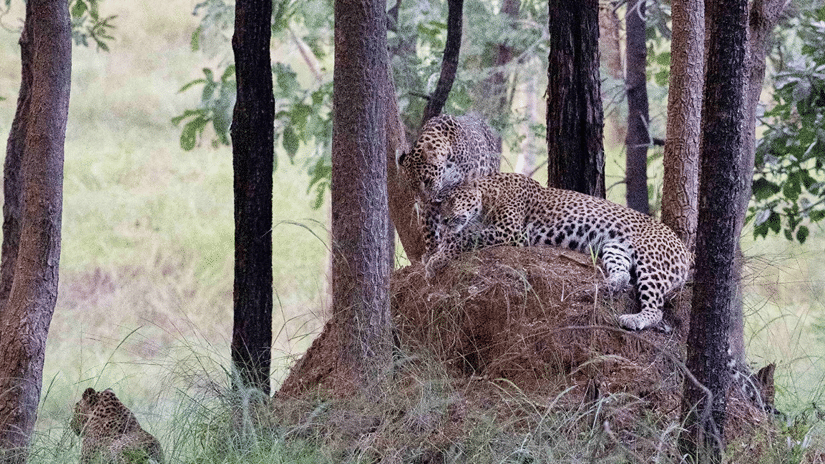
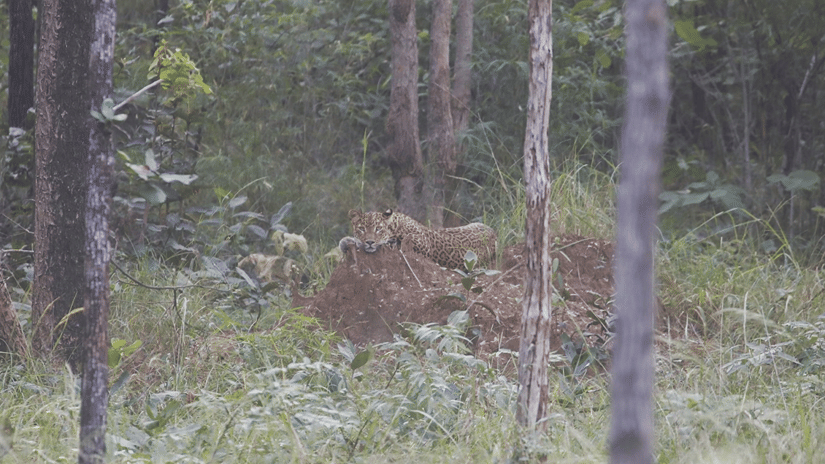
The Jamanidev Buffer Zone also has a female adult leopard with two young cubs close to the 1st and 2nd Dam at Hathi Doh—possibly benefiting by hunting stray cattle from the nearby Sehra village. No promising sightings of leopards have come from the Parsapani Buffer Zone, at least in October this year, but it is most likely due to very few jeeps visiting this zone.
The Madhai Core Zone remains one of the best zones to see the Indian Giant Squirrel. Almost daily sightings occurred at the No. 3 route Cluster Fig tree, Tonga Patthar, Mahua Nala, and Lagda road. We enjoyed viewing them for a prolonged time while the squirrels kept gnawing on the hard, woody fruits of Lendia (Lagerstroemia parviflora). We are likely to see them in the same areas as they begin nesting in and around the fig trees.
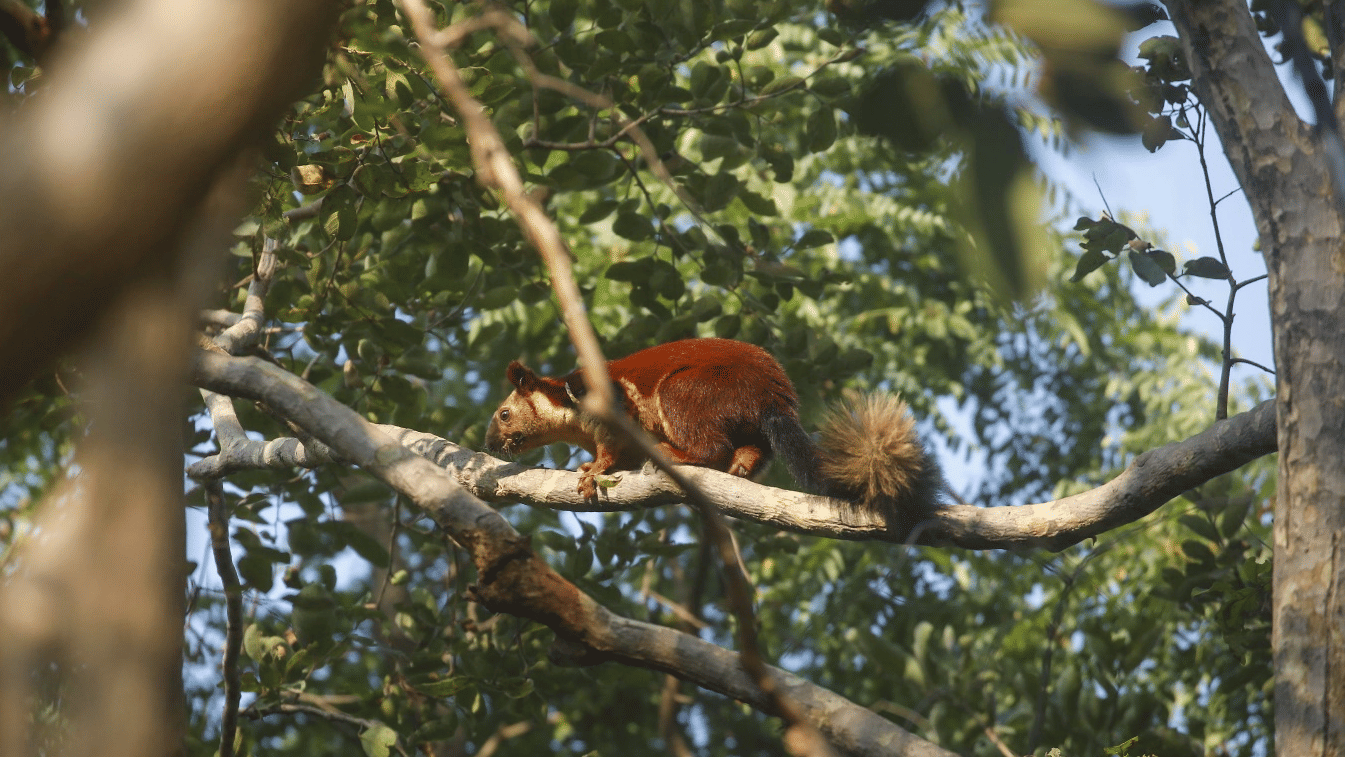
No reports have come from the Parsapani or Jamanidev Buffer Zones, as they do not offer suitable habitats, and the Tawa reservoir acts as a geographical barrier for the Parsapani zone.
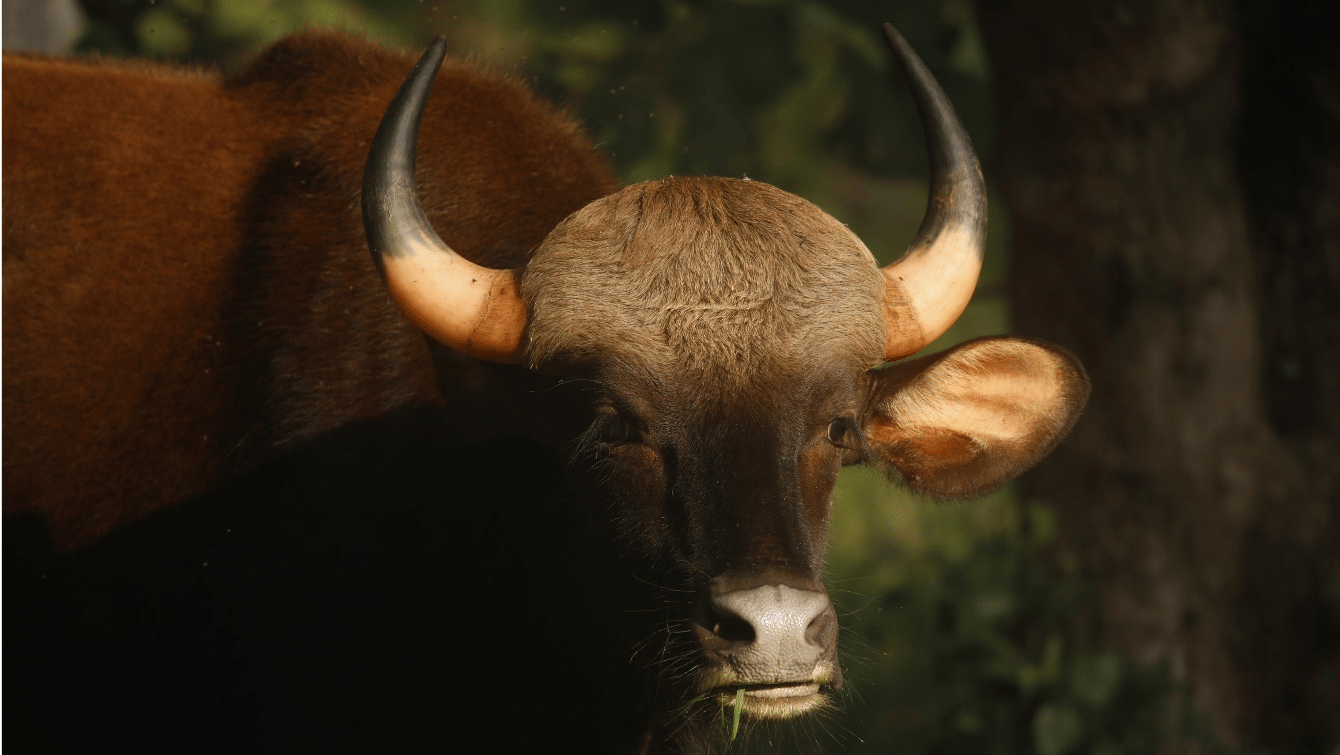
Large herds were seen in Madhai, especially in the Meadows, Kaans Plot, and Peepalpani Dam. A few leucistic Gaurs were spotted as well. Good sightings were recorded in the Parsapani zone as well. At the Jamanidev buffer, Gaurs will become more visible once the backwater levels go down and they come out for grazing—along with good chances of spotting the hard-ground Barasingha from April onwards.
We noted a handful of sightings of a Dhole pair in the Madhai zone. The same pair lost 2 pups the previous season, and we haven’t seen the last remaining pup yet this year. Sightings are decreasing at an alarming rate. No reports have come in for the other large pack which was seen in the Jamanidev Buffer Zone last season, but they should be visible in the summer months as water availability becomes limited. The pack in the Parsapani Buffer Zone seems to have moved out towards the village of Magariya and its surrounding forests, where incidental sightings have been reported by farmers. Feral dogs remain the biggest threat to Dholes in these areas.